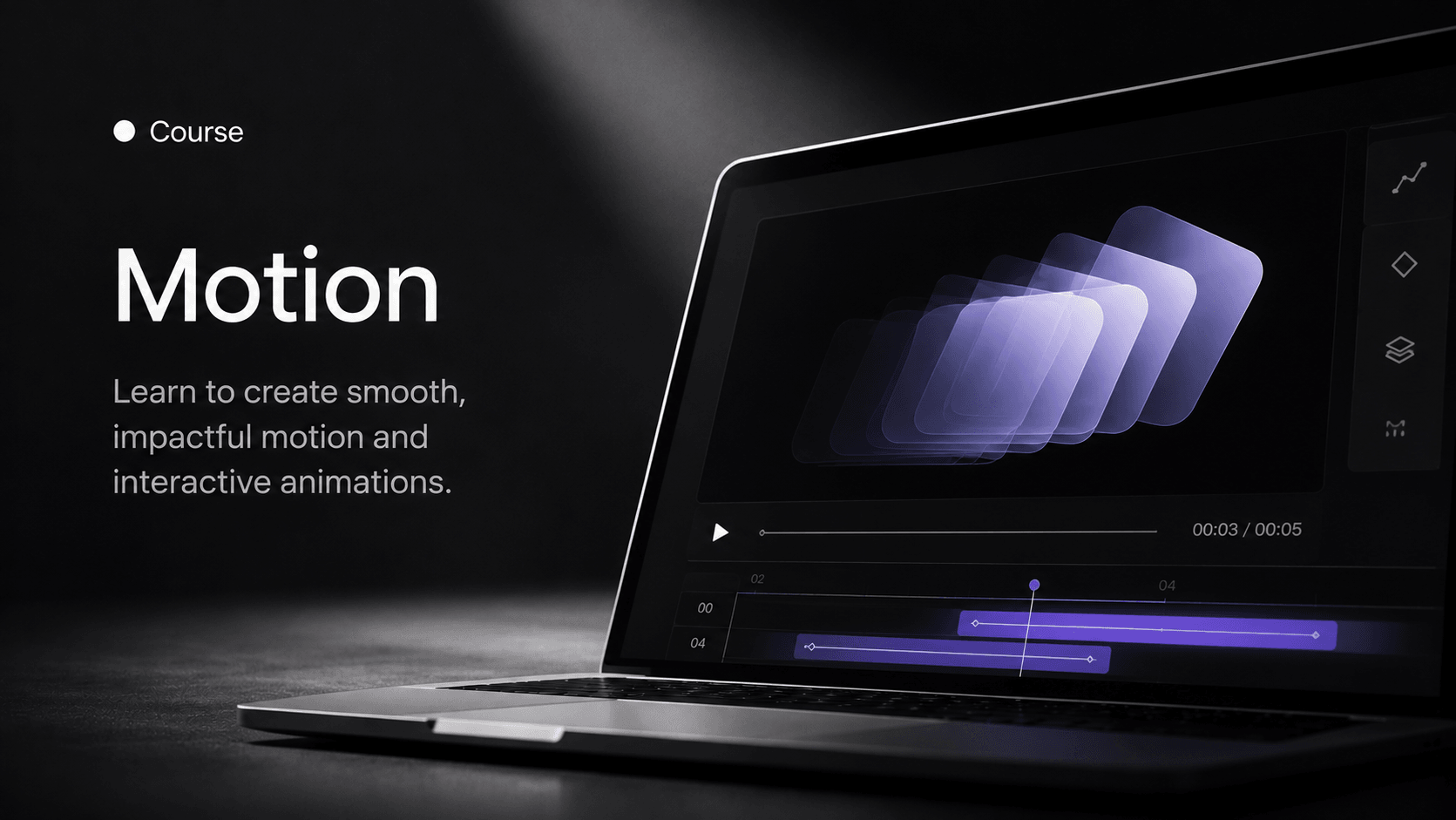
Timing andWeight
The animation principles that make objects feel heavy, light, alive or tired.

Why does one bouncing ball feel like rubber and another like a bowling ball? Theo Brandt digs into spacing, anticipation and follow-through, the principles that make movement believable.
This is an advanced course for people who already know their way around keyframes. You will film your own reference, chart your timing on paper and animate one walk in three moods.
You will need
- After Effects, Blender or any keyframe tool
- A ball, a bag of rice and a scarf, for reference
- Comfort with keyframes and graph editors
Three short loops that show the same character moving with three different weights.
- 01
A reference library of filmed objects
- 02
A bouncing-ball study in three materials
- 03
Three character loops with timing charts
6 lessons · 1h 35m · 1 free preview
In this lesson
Why the eye believes some movement and rejects the rest.
Open this lessonYour brief
Film three objects falling and step through each one frame by frame.

Theo Brandt
Motion director
Theo leads motion at a product studio in Berlin and has animated interfaces used by forty million people a day. He believes most animations should be shorter, and he will show you which ones.
"Good motion explains. Great motion you never notice."Also by Theo: Motion for Product
4.9
From 318 students
"Filming a bag of rice falling sounds silly until it fixes every jump you have ever animated."
"Advanced means advanced. Theo assumes you know the tools and spends every minute on the craft."
Single course
$79
One-time, yours to keep
Or get every course with All-access, from $16 a month.
- Lessons
- 6 lessons
- Total time
- 1h 35m
- Level
- Advanced
- You make
- One finished project
- Format
- Video lessons and briefs
- Certificate
- Included
- Students
- 2,140